 01/12/2026
AI is fundamentally transforming the way we interact with technology,” declares a recent report from the World Economic Forum. This isn’t about distant labs, but about technology becoming embedded in the fabric of our daily work.
Across the globe, executives are planning to adopt AI agents, creative tools are empowering non-artists, and systems are being designed to handle complex tasks like digital safety.
For the average professional, the pressing question is no longer if AI will impact their job, but how they can harness it to enhance their daily work.
Platforms like ChatGPT and Google now offer features that let users delegate tasks like online research and shopping. Generative AI tools are expanding “the canvas of possibility,” empowering individuals without deep technical or artistic training to create and contribute in new ways. This shift has elevated human-centric skills, with the World Economic Forum noting that soft skills like creative thinking have become the ‘hard currency’ of the AI-era job market.
1. AI Is Everywhere — and It’s Ready for Daily Use
AI has moved from pilots into core workflows across sectors like healthcare, retail, energy, and services. It’s no longer “optional tech,” but a tool integrated into everyday operations.
Example: AI agents are beginning to help users not just with answers, but with tasks like researching, drafting documents, handling scheduling, and even automating purchases.
2.AI Agents Are Growing — But So Is the Need for Responsible Use
WEF reports show that 82% of business leaders plan to adopt AI agents in the next few years
For everyday professionals, this is an opportunity and a warning:
3. Creativity and Human Skills Matter More Than Ever
While AI enhances capabilities, soft skills such as creativity, judgment, and communication remain essential — and are now valuable differentiators.
AI doesn’t replace human thinking — it elevates it when used skilfully.
How Trainings Can Add Real Value to Organizations
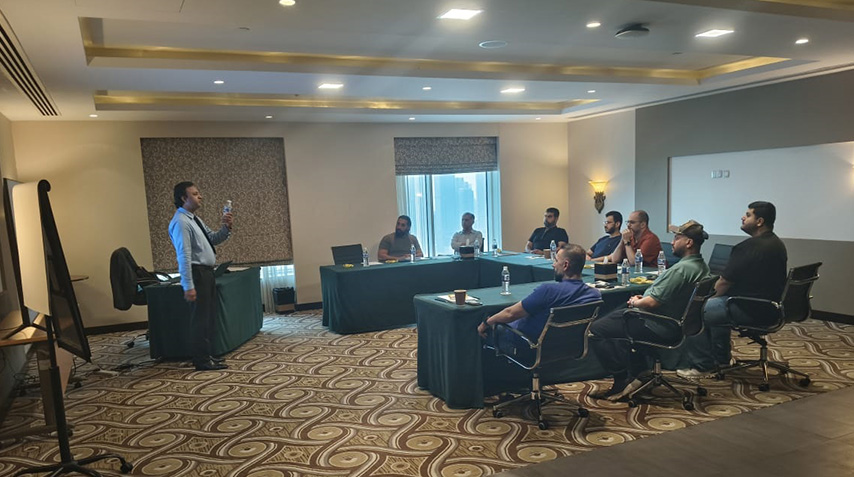
As AI reshapes work, training institutes have a major role to play in bridging the “capability gap” — the difference between what AI can do and what people actually use it for.
The goal is to create a future where AI is not a barrier, but a bridge—a universally accessible tool that empowers every professional to achieve more.