 23/02/2026
The modern business landscape is defined by rapid change. As industries evolve and new technologies emerge, a persistent challenge has come into sharp focus for leaders: the widening gap between the skills their workforce possesses and the capabilities their organization truly needs. This disconnect is more than an HR metric; it is a direct and measurable drag on productivity, innovation, and long-term growth.
While much of the conversation focuses on the problem, the real opportunity for businesses lies in crafting the solution. Organizations that proactively address skill deficiencies don’t just protect their productivity—they build a resilient, future-ready workforce. The most effective path to this goal is through a deliberate and well-defined training strategy.
The Learning Advantage: Transforming Training from Cost to Catalyst
To effectively counter skill shortages and unlock greater output, companies must rethink their approach to employee development. The goal is to shift from infrequent training events to a continuous, integrated learning culture. Here are the foundational measures organizations should consider:
Action begins with clarity. Organizations need to conduct a thorough analysis to understand not just where they are today, but where they will be tomorrow. This involves mapping current team competencies against the strategic objectives for the coming years. By identifying the specific skills—both technical and managerial—that will be critical for future success, training can be targeted, relevant, and impactful.
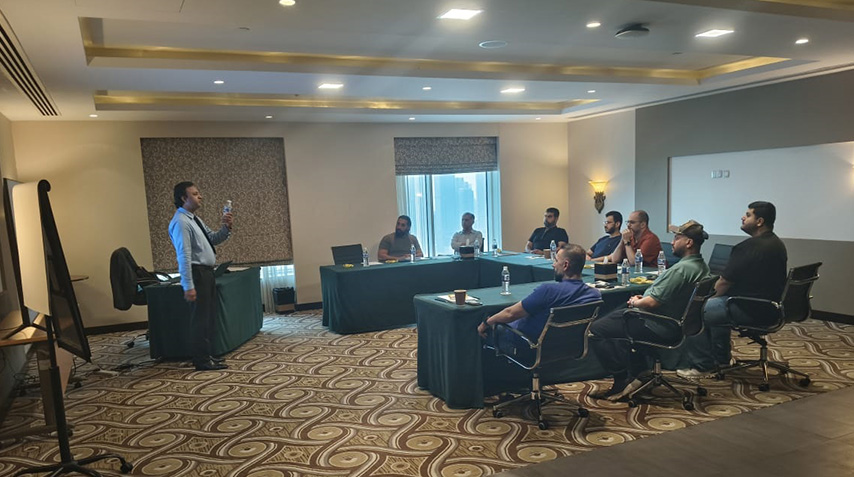
The workforce is diverse, spanning different locations, generations, and learning preferences. An effective training framework meets employees where they are. This means blending dynamic, instructor-led sessions that build deep understanding with flexible, on-demand digital resources that allow for immediate application. When learning is accessible and adaptable, it becomes a seamless part of the workday, not an interruption to it.
Often, the most significant productivity bottlenecks stem from underdeveloped leadership and interpersonal capabilities. Technical expertise alone is not enough. Investing in programs that clearly define and strengthen essential management competencies—such as effective communication, team motivation, strategic decision-making, and adaptive leadership—creates a multiplier effect, enhancing the performance of entire teams and departments.
Training is most powerful when it is woven into the organizational culture. This requires more than just offering courses; it demands creating clear pathways for career progression, encouraging knowledge-sharing between peers, and empowering employees to take ownership of their professional growth. In a culture of continuous learning, the workforce naturally evolves alongside the demands of the business.
To ensure training efforts are driving real results, their impact must be measured. This goes beyond simple completion rates. It involves tracking how skill development translates into improved efficiency, higher quality work, greater employee engagement, and better retention. By linking learning initiatives to these key performance indicators, organizations can continuously refine their approach and demonstrate the clear value of their investment in people.
The Strategic Imperative
The challenge of the skills gap is not a temporary hurdle, but a permanent feature of a dynamic economy. The organizations that will thrive are those that view it not as a problem to be solved by external hiring alone, but as a strategic opportunity to invest in their internal strength. By taking deliberate, structured measures to define and develop the capabilities of their people, companies can close the gap, boost productivity, and build a lasting competitive edge.